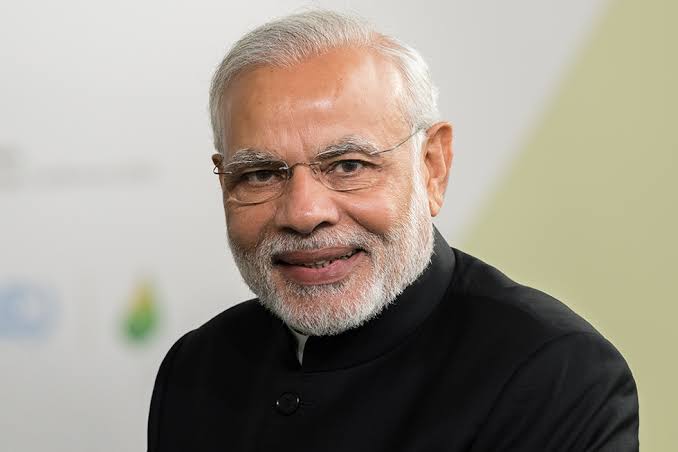
Narendra Modi Biography: Early Life, Career, Achievements & Legacy
Narendra Modi is one of the most influential political leaders in modern India. Known for his strong leadership, inspiring speeches, and dedication to the nation, Narendra Modi has become a globally recognised figure in politics. From humble beginnings to becoming the prime minister, determination, hard work, and vision
Narendra Modi was born on September 17, 1950, in Vadnagar, a small town in Gujarat, India. He was born into a modest family, and his early life was filled with struggles and challenges. His father, Damondardas Mulchand Modi, ran a tea stall, and young Narendra often helped him sell tea at the local railway station.
Despite the economic hardships, Narendra Modi remained enthusiastic about studies and self-development. He completed his education in Vadnagar and later attended an excellent school of political science. As a teenager, he showed great interest in social mediation, spirituality and national development. His determination in ordinary community service led him towards public life and politics.
Narendra Modi was associated with the Rashtriya Swayamsevak Sangh in his early years. Business played a huge role in shaping his personality, leadership skills and disciplined way of life. He actively worked hard as a volunteer and devoted himself to social and organizational sports. His dedication and hard work earned him admiration among his fellow citizens and leaders.
Narendra Modi later joined the Bharatiya Janata Party (BJP), where he quickly rose from the ranks due to his strategic thinking and leadership skills He is said to be a powerful organiser and played a vital role in strengthening the party in Gujarat and other parts of India.
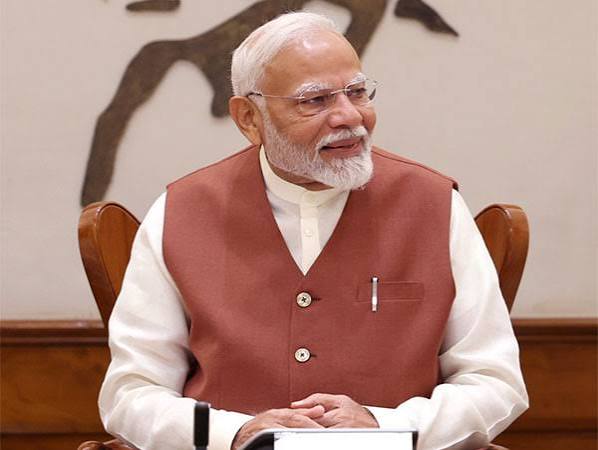
A major turning point in Narendra Modi’s political career came in 2001, when he became the chief minister of Gujarat. During his tenure, Gujarat witnessed rapid business growth, infrastructural development, and economic progress. His version of control attracted interest from all the U.S.S.R., and many supporters appreciated his awareness of development and administration.
But his political journey has not been without controversy and criticism. The 2002 Gujarat riots became one of the most controversial incidents of his career. While critics questioned his administration’s handling of the situation, supporters remained confident in his leadership and development-oriented intellectual foresight in using it.
In 2014, Narendra Modi won a historic victory for the BJP in the Indian general elections. He became the 14th Prime Minister of India, leading to a favorable shape change in the political landscape of the United States. His election marketing campaign targeted reforms, economic growth, enterprise creation, and precision governance, which established a strong connection with hundreds of thousands of Indians.
As Prime Minister, Narendra Modi introduced many fundamental initiatives and reforms aimed at reworking India. Programs like Digital India, Make in India, Swachh Bharat Abhiyan, Startup India, and Skill India have been launched to improve manufacturing, sanitation, entrepreneurship, and employment opportunities. His government also targeted infrastructure development, financial inclusion, and rural welfare.
One of the extraordinary aspects of Narendra Modi’s leadership is his ability to connect with people through communication. His speeches, radio show “Mann Ki Baat,” energetic use of social media and his strong marriage
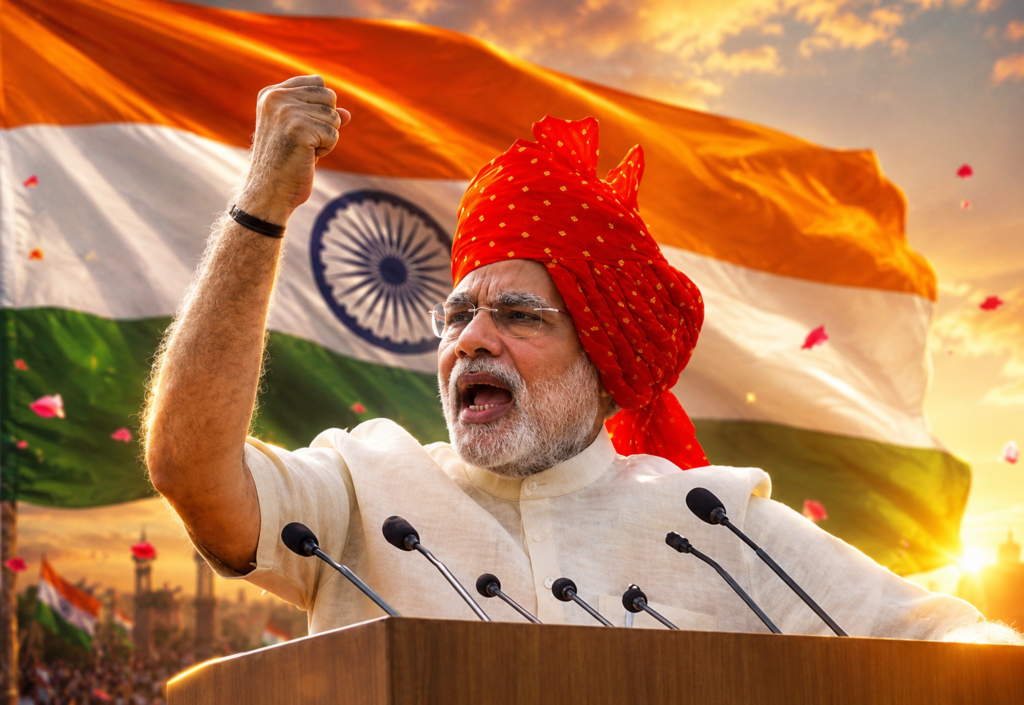
Narendra Modi is also known for his disciplined lifestyle and strong work ethic. He is often described as a leader who works tirelessly for long hours with dedication and focus. His interest in yoga, meditation, and spirituality reflects his balanced approach toward life and leadership.
On the international stage, Narendra Modi has played an important role in strengthening India’s global image and diplomatic relations. He has represented India at various international platforms and built strategic partnerships with countries around the world. His efforts in promoting India’s culture, economy, and global influence have received attention internationally.
In 2019, Narendra Modi returned to power with another major electoral victory, proving his continued popularity among Indian voters. His second term focused on economic reforms, national security, self-reliance, and technological growth. Major decisions like the abrogation of Article 370 and the push for “Atmanirbhar Bharat” became important highlights of his leadership.
Apart from politics, Narendra Modi is also a writer and poet. He has written books and articles that reflect his thoughts, experiences, and vision for India. His personal story continues to inspire millions of people who believe that hard work and determination can overcome even the toughest challenges.
Today, Narendra Modi remains one of the most influential leaders in India and global politics. His journey from helping at a tea stall in a small town to leading a nation of more than a billion people is extraordinary. Supporters admire him for his vision, dedication, and leadership, while critics continue to debate various aspects of his policies and governance. Regardless of opinions, his impact on Indian politics and society is undeniable.
The life of Narendra Modi teaches an important lesson that success is possible through determination, discipline, and a clear vision. His story inspires people from ordinary backgrounds to dream big and work hard to achieve their goals.